
As a high-performance functional material, silicon dioxide (silica) is widely used in sectors such as coatings, inks, rubber, plastics, adhesives, cosmetics, pharmaceuticals, and new energy. It serves various functions, including thickening, anti-settling, reinforcement, thixotropy adjustment, matting, and the enhancement of dispersion stability. However, in conventional dispersion processes, silica is highly prone to agglomeration, making it difficult to achieve a uniform and stable nanoscale dispersion. This often necessitates prolonged stirring, the addition of large quantities of dispersing agents, or even repeated milling—all of which lead to high energy consumption and complex workflows. Furthermore, these methods can compromise product purity and final performance, thereby hindering improvements in both production efficiency and quality.
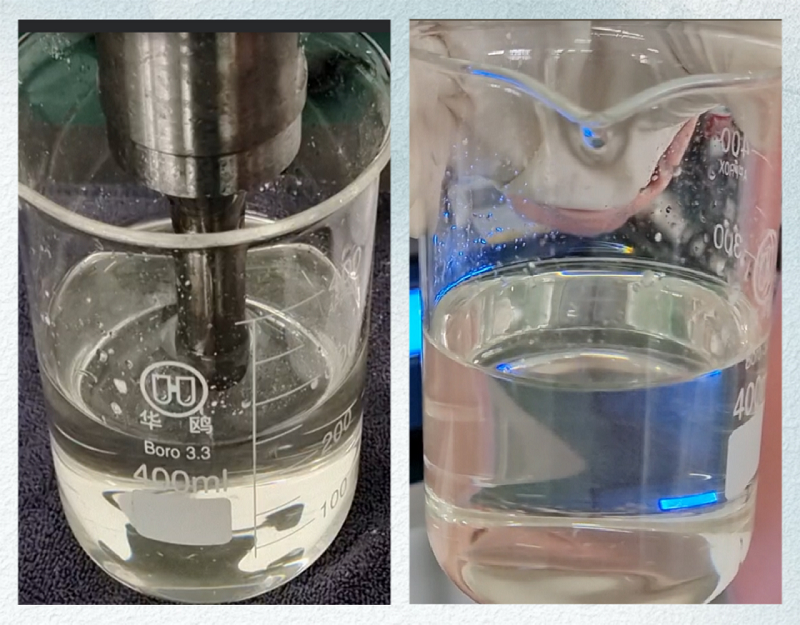
Ultrasonic nano dispersion technology leverages high-frequency mechanical vibration and cavitation to efficiently break down silica agglomerates, enabling a uniform and stable nanoscale dispersion within a short time frame. The ultrasonic nano disperser reduces reliance on excessive dispersing agents, significantly lowers energy consumption, and shortens processing times. Simultaneously, it improves the stability and fluidity of slurries as well as product consistency, effectively addressing the common drawbacks of traditional dispersion methods—namely low efficiency, poor results, and significant batch-to-batch variability.
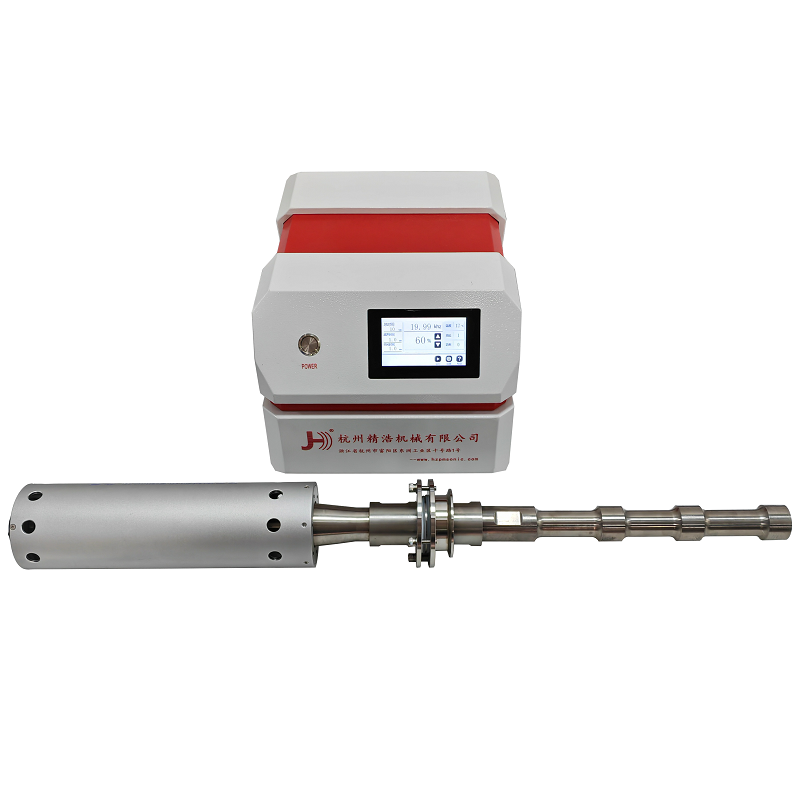
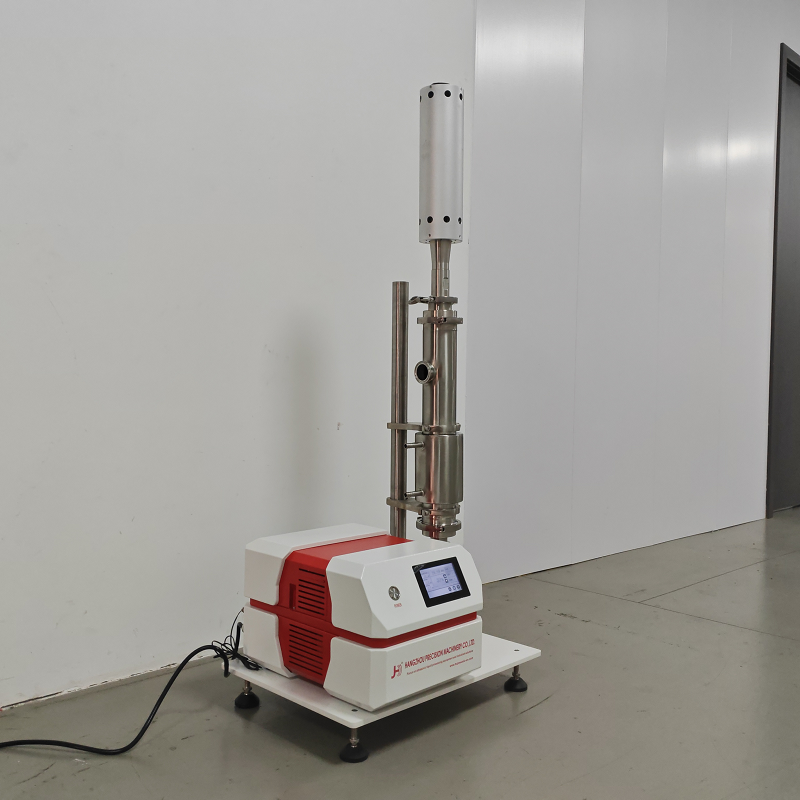
Hangzhou Precision Machinery Co., Ltd. has specialized in ultrasonic nano dispersion technology for over a decade. With extensive experience in R&D and engineering practice, we offer customized solutions tailored to specific client requirements. We provide comprehensive services ranging from small-to-medium-scale experimental testing to fully developed industrial production lines, facilitating a seamless transition for enterprises from laboratory validation to large-scale manufacturing.
Post time: Oct-23-2026